
Biophilic Interiors for Period Properties
There’s something truly magical about a period property. From Georgian symmetry to Victorian grandeur, Edwardian light to the rustic romance of a country cottage, these homes carry a sense of history and character that modern builds simply can’t replicate. But how do you honour all that charm while creating a calming, contemporary space that nurtures wellbeing?
Biophilic design might just be the perfect answer.
What is Biophilic Design?
At its heart, biophilic design is about reconnecting with nature through the spaces we live in. It’s a design philosophy that brings the outdoors in, through natural materials, organic textures, greenery, and plenty of light. Biophilia goes beyond aesthetics. It taps into our innate need to feel grounded, soothed and in tune with the world around us.
While often associated with minimalist, modern interiors, biophilic design pairs beautifully with the timeless elegance of period homes.
Why Period Properties and Biophilia Belong Together:
1. Original Features, Enhanced by Nature
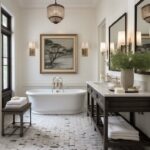
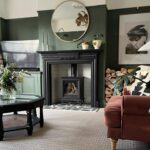
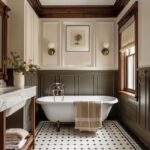
Think of intricate cornicing, exposed beams, or original stone hearths—features so typical of period homes. Rather than competing with these details, biophilic design enhances them. A cascade of trailing greenery over a Victorian fireplace, or a botanical print hung above a panelled Edwardian dado rail, brings a sense of freshness that highlights rather than overshadows the home’s heritage.

2. Natural Materials Meet Traditional Craftsmanship
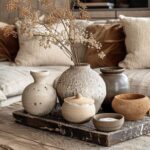
Period homes often feature honest, tactile materials: solid timber floors, cast iron radiators, quarry tiles, or stained glass. Biophilic design leans into this authenticity. Introduce natural textures, think linen upholstery, sisal rugs, hand-thrown pottery; creating harmony between old-world craftsmanship and contemporary comfort.

3. High Ceilings & Generous Windows? Ideal.
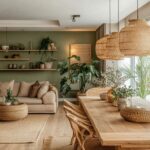
One of the greatest assets of many Georgian, Victorian and Edwardian homes is their architectural generosity—tall ceilings, large sash or bay windows, and an abundance of natural light. These are dream foundations for a biophilic approach. Use reflective surfaces, light voile curtains, and well-placed indoor planting to draw that light even further through the space, creating a soft, uplifting atmosphere.
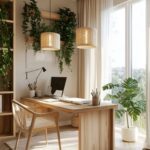
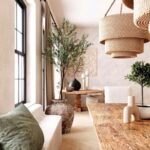
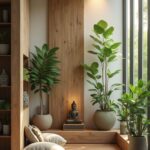
4. Calming the Formality
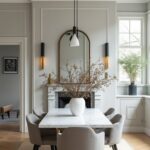
Some period properties—particularly Georgian and early Victorian homes—can carry a certain formality in their proportions. Biophilic design introduces gentle softness to this structure. Rounded furniture, leafy foliage, and muted, nature-inspired tones (mossy greens, warm clays, soft oatmeals) subtly counterbalance the formal layout without compromising its elegance.
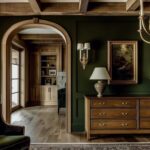

5. A Tranquil Counterpart to Ornate Detail
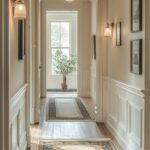
From decorative ceiling roses to tiled entrance halls, period homes are often rich in ornate detail. Biophilic interiors can offer a peaceful contrast, creating balance. A simple wooden bench in a hallway, paired with a tall olive tree in a ceramic pot, allows original features to shine while still grounding the space in calm.
6. Where History Meets Wellbeing
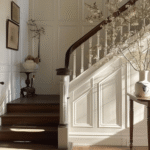
Incorporating biophilic design into a period property isn’t about erasing the past, it’s about complementing it. Nature-inspired interiors create breathing space within the beauty of traditional architecture, allowing your home to feel both timeless and deeply personal.
Whether you’re restoring a Georgian townhouse, reviving a Victorian terrace, or re-imagining a thatched cottage in the countryside, biophilic design offers a thoughtful way to blend history with holistic living.
Looking to bring calm and connection into your character home?
At Ava Rose Interiors, we specialise in weaving biophilic design into spaces with soul. Let’s honour your home’s heritage whilst creating a sanctuary that feels just right for today.
With Love;
