
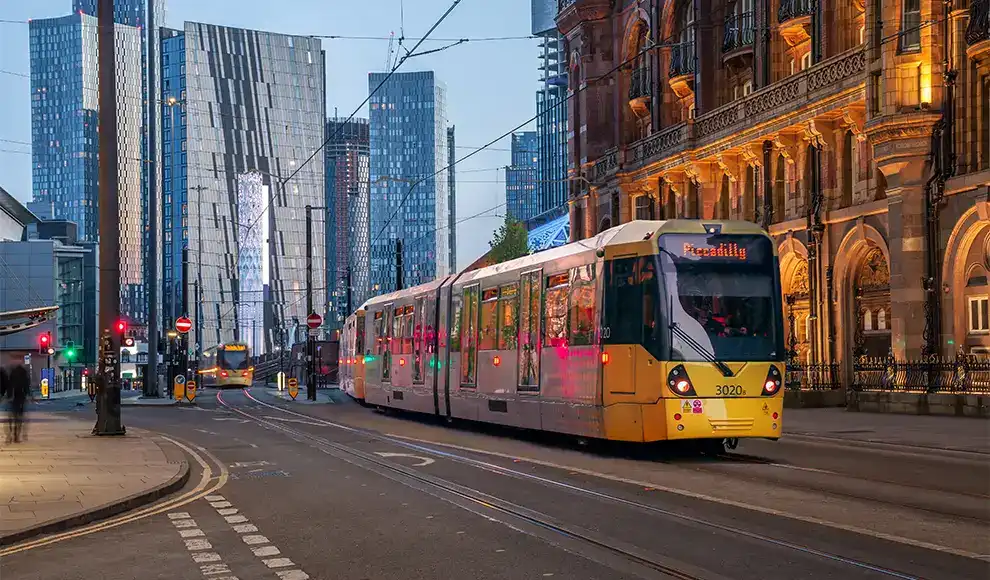
City living is vibrant, creative and full of energy, but it can also be fast paced, noisy and disconnected from the natural world. In Manchester, where historic brick terraces sit alongside contemporary apartments and warehouse conversions, biophilic design offers a powerful way to soften urban interiors and support wellbeing.
At its heart, biophilic design is about reconnecting us with nature, not just visually, but emotionally and sensorially. It’s not about filling every corner with plants, it’s about creating homes that feel calm, grounded and restorative, even in the heart of the city.
Designing with Nature in Mind: More Than Just Plants
While greenery plays an important role, biophilic design is far broader. It considers light, materiality, texture, airflow, sound and our innate response to natural forms.
In Manchester homes, where space and light can sometimes be limited, a thoughtful, layered approach is key.
Bringing Greenery into Urban Interiors with Intention
Plants are often the starting point, but how and where they’re used makes all the difference.
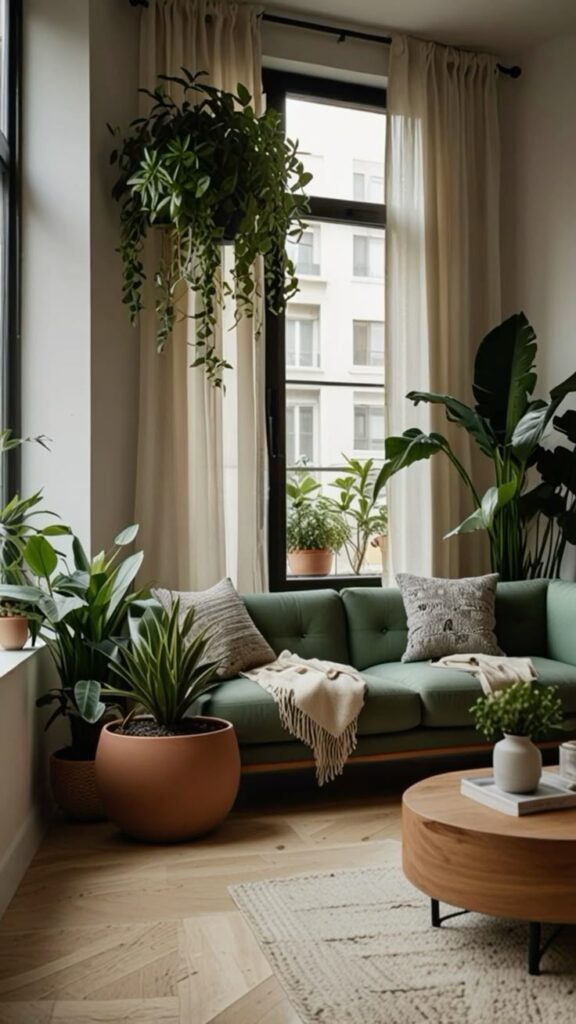
In compact city homes, vertical planting is an elegant solution. Living walls, wall mounted planters or trailing plants on shelving introduce greenery without sacrificing floor space. In lower light properties, species such as snake plants, pothos and ferns perform beautifully while remaining low maintenance.
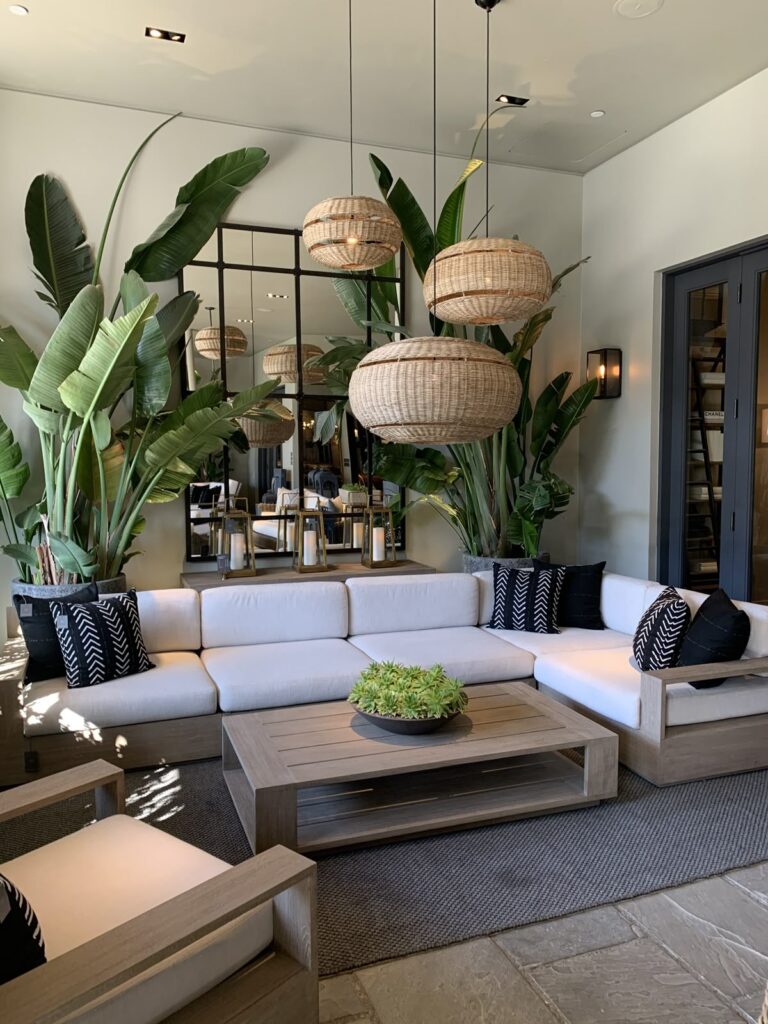
For larger spaces or open plan layouts, layered planting adds depth and visual interest. Taller plants can anchor corners and frame seating areas, while mid height and trailing plants soften joinery and shelving. Integrated planters within bespoke furniture or kitchen islands are a subtle way to weave nature into the architecture itself.
Balconies and window boxes should never be overlooked, even a small external space can extend the feeling of greenery indoors and reconnect you with seasonal change.
Working with Manchester’s Natural Light
Manchester may not be known for endless sunshine, but natural light remains one of the most powerful tools in biophilic design.
Maximising existing daylight is often more impactful than adding decorative elements. Keeping window areas visually clear, using sheer curtains rather than heavy drapery, and placing mirrors strategically to reflect light deeper into rooms can dramatically change how a space feels.
In lofts, extensions or top floor apartments, rooflights or solar tubes can transform darker areas such as kitchens, bathrooms or stairwells, bringing in soft, natural light from above. Internal glazing, including reeded or frosted glass doors, allows light to flow between spaces while maintaining privacy.
A calm, nature inspired colour palette also plays its part. Soft greens, warm neutrals and earthy tones reflect light gently while reinforcing a sense of calm and balance.

Natural Materials That Ground Space
Materiality is central to biophilic design. Our connection to nature is strengthened through touch as much as sight.
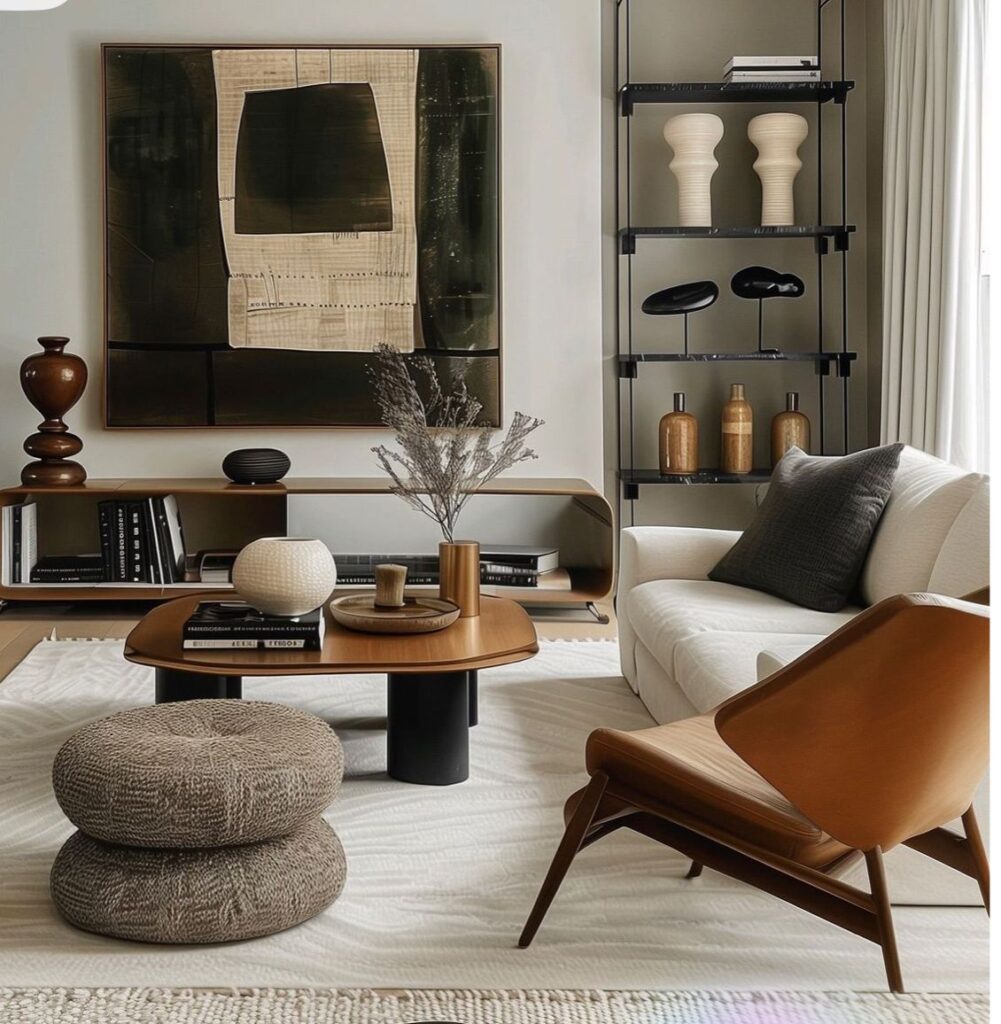
In Manchester homes, where industrial heritage often influences architecture, combining raw and refined materials works beautifully. Reclaimed timber, natural stone, limewashed walls and warm metal accents bring depth and authenticity to interiors.
Textiles also matter. Linen curtains, wool rugs, jute baskets and cotton upholstery introduce softness and tactility, helping spaces feel lived in and comforting. Curved furniture and organic forms subtly echo shapes found in nature, creating flow and ease within a room.

Engaging The Senses; Sound, Air & Water
True biophilic design engages more than just the eye.
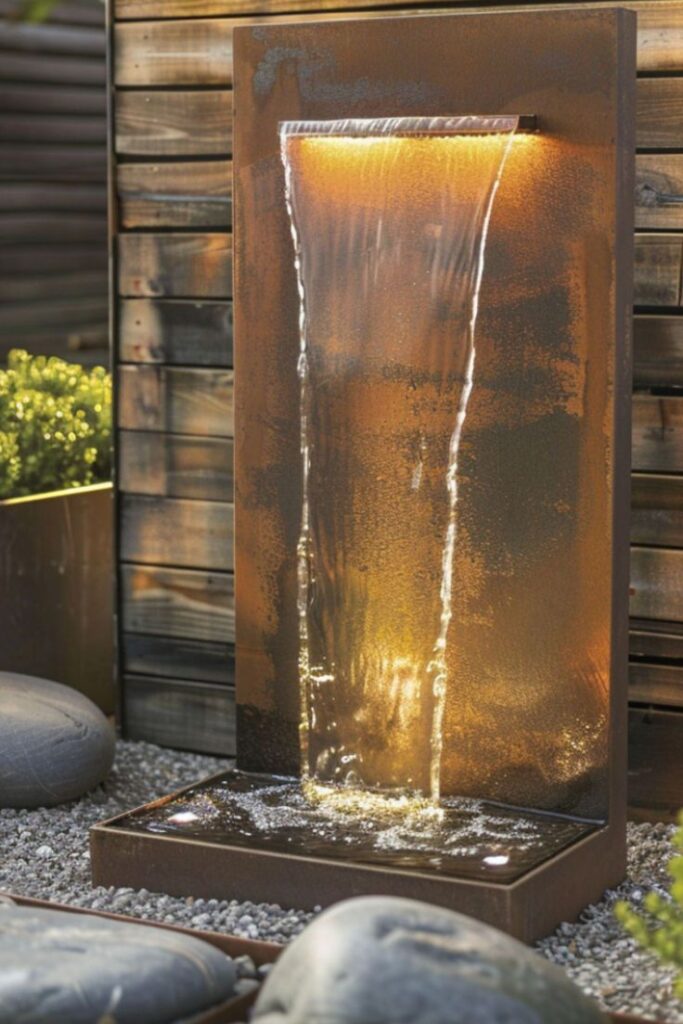
Introducing gentle, natural sound, through a small water feature or even rustling plants near open windows, can help soften city noise and create a sense of calm. Improved airflow and natural ventilation are equally important. Opening windows regularly, encouraging cross ventilation and allowing fresh air to circulate helps interiors feel alive and healthy.
For busy urban locations, acoustic solutions such as soft furnishings, natural fibre rugs or moss panels can reduce echo and absorb sound while enhancing the overall design aesthetic.

Creating Flow Between Indoors & Outdoors
Even without a garden, homes can still feel connected to the outdoors.
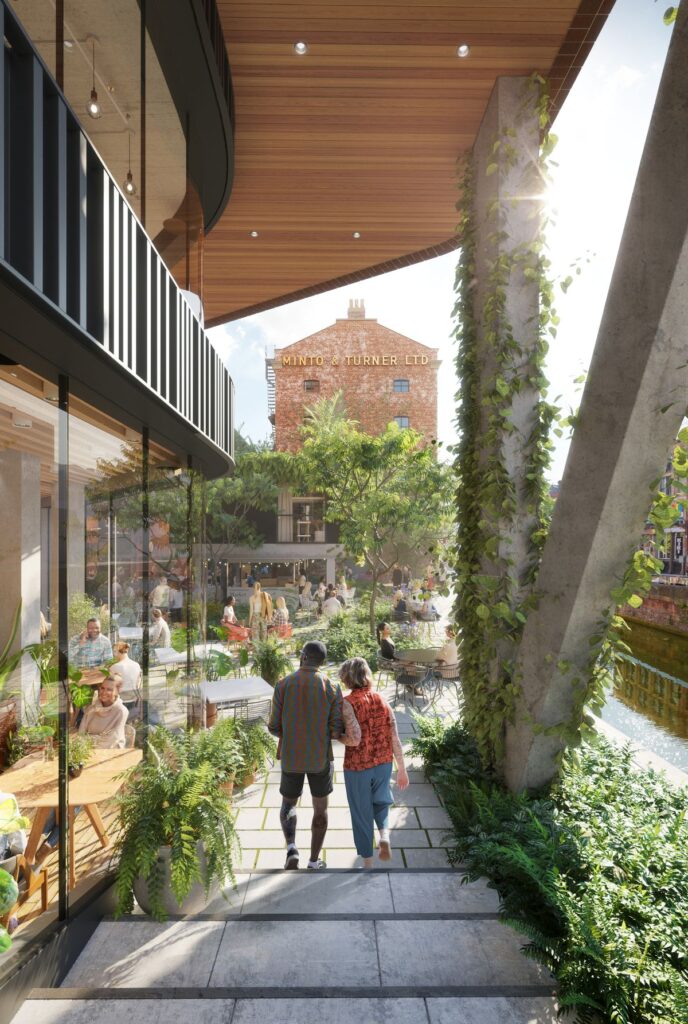
Positioning seating or workspaces to face windows, treetops or city green routes strengthens visual connection to the outside world. Repeating materials, such as timber, stone or greenery, from balconies into interior spaces creates continuity and flow.
Manchester’s growing network of green corridors and urban planting means many homes now benefit from views of trees, rooftops and evolving landscapes, a valuable design feature that should be celebrated and framed.

Biophilic Design, Room by Room
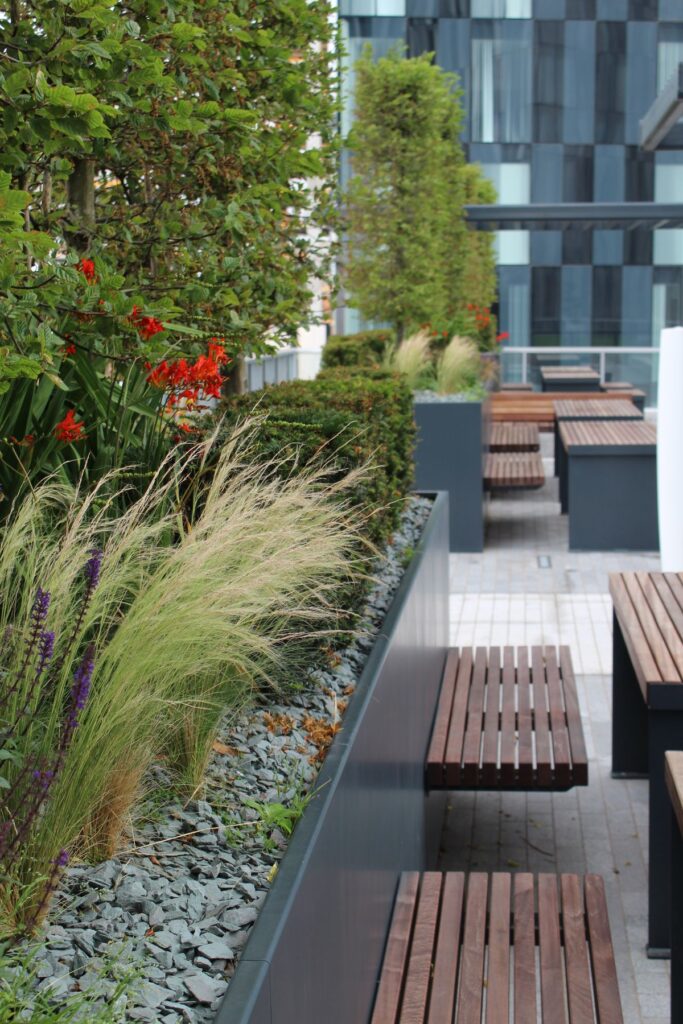
Living spaces benefit from layered lighting, natural textures and planting that frames rather than dominates.
Kitchens are ideal for herb gardens, timber shelving and tactile surfaces that balance practicality with warmth.
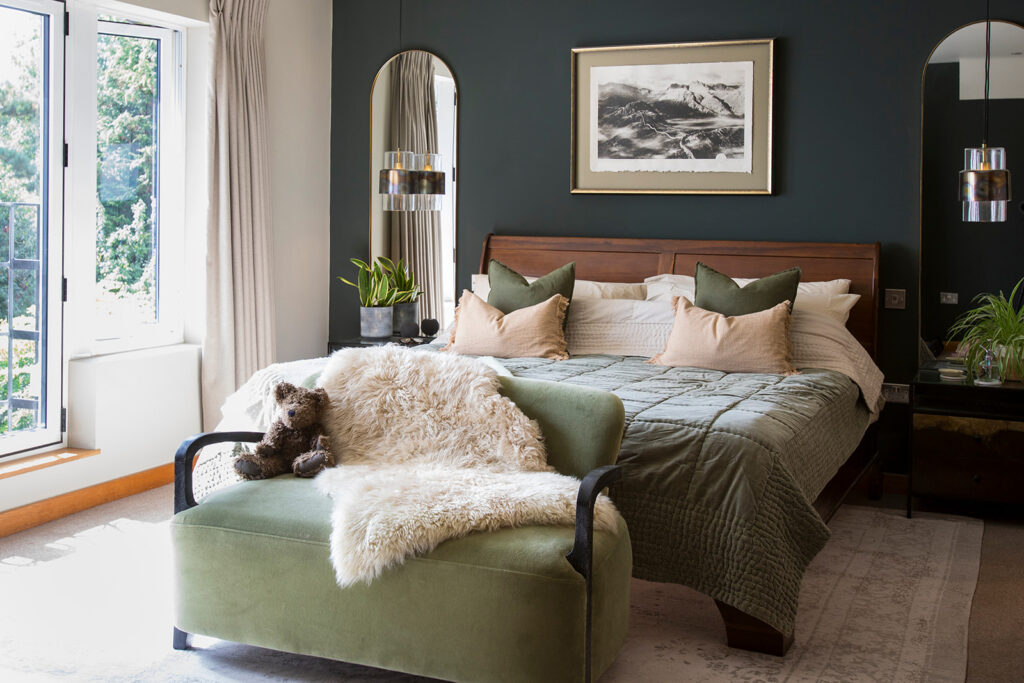
Bedrooms should prioritise calm, soft natural bedding, gentle morning light and low maintenance plants that support air quality.
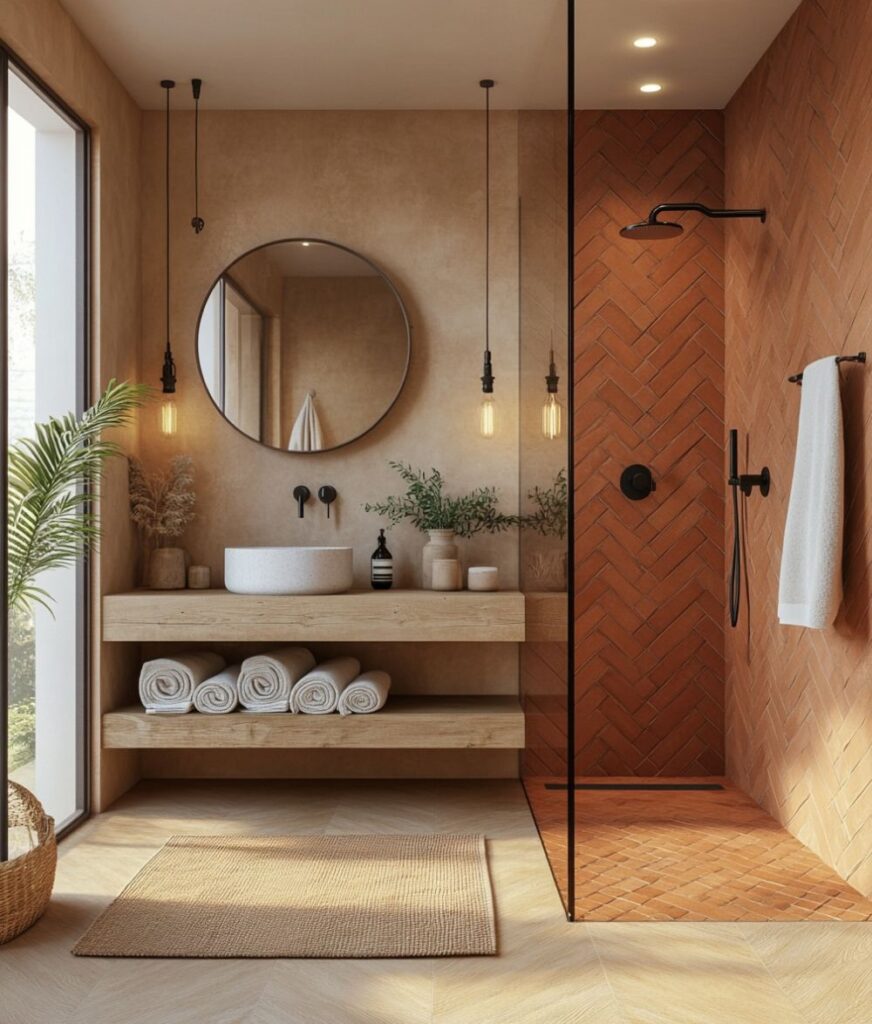
Bathrooms can become spa like retreats with stone finishes, wooden accessories and humidity loving greenery.

A More Natural Way to Live in the City
Biophilic design isn’t about trends, it’s about creating homes that support how we feel, move and live day to day. In a city like Manchester, where urban energy and creativity thrive, introducing nature into our interiors helps restore balance.
By layering greenery, light, natural materials and sensory elements, even the most compact city home can become a calming, nurturing space, one that feels deeply connected to the natural world, no matter how urban its surroundings.
At Ava Rose Interiors, we are passionate about Biophilia & your ‘Interiors’ wellbeing. Always happy to help reconfigure your space or just offer some well meaning advice xx
With Love;
