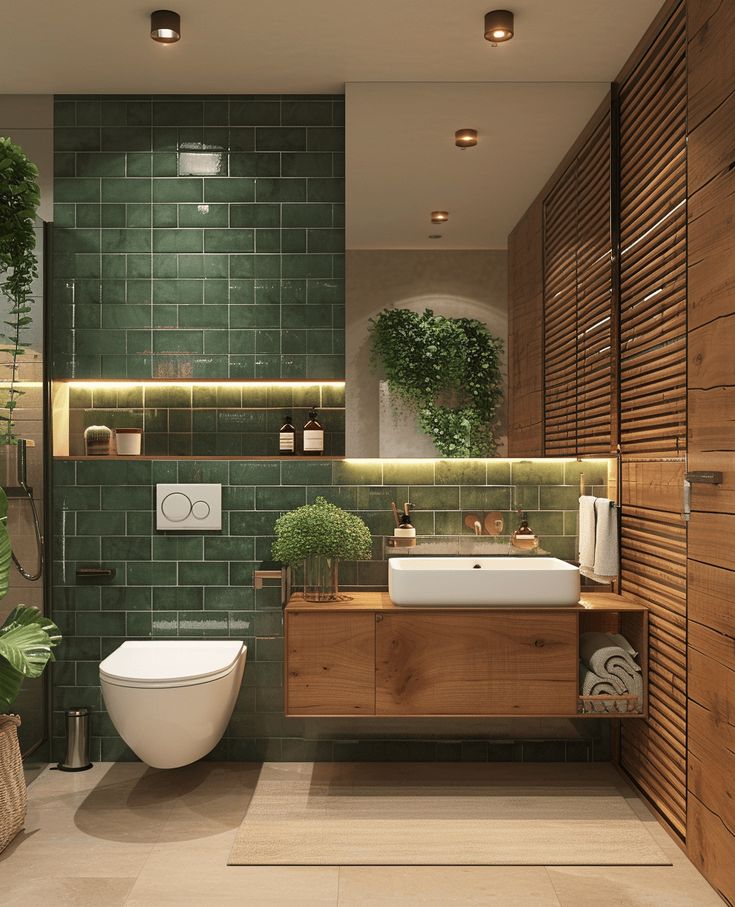
GREEN!!
Why Is Green Considered The Calmest Colour?!
I love Green obvs & I always thought it was due to my love of nature, trees, grassy fields & hedgerows but it got me thinking, is there more to it than purely being the colour of foliage?
After some research, it would appear so! Who knew that the human eye has evolved to see Green wavelengths more efficiently than any other colour?! Or green environments have been proven to reduce blood pressure!
Here is a summary of the main reasons why Green is considered the calmest colour in the Spectrum & therefore, a key element of Biophilic Interior Design:
Evolutionary and Ecological Basis
- Survival Significance:
Green is dominant in environments that are rich in vegetation and resources necessary for survival. For early humans, green often signified abundance, food, and safety, as opposed to harsher, arid, or barren environments.
This evolutionary connection means that green may trigger subconscious feelings of security and contentment, as environments with greenery provided refuge and sustenance. - Biophilia Hypothesis:
Proposed by biologist E.O. Wilson, this hypothesis suggests that humans have an innate tendency to seek connections with nature. Green, as the prominent colour in many natural landscapes, satisfies this instinct and fosters relaxation.
Neurological Mechanisms
- Visual Processing and the Eye:
Peak Sensitivity: Human vision evolved to perceive green wavelengths (approximately 495– 570 nm) most efficiently because of its central position in the visible light spectrum. The cone cells in our retina are finely tuned to detect green light, meaning that looking at green requires minimal effort for the visual system. - Reduced Eye Strain: Unlike harsher colours like red or blue, green doesn’t overstimulate the retina, allowing the eye muscles to relax. This optical ease translates into a calming sensation.
- Neurotransmitter Activity:
Visual exposure to green has been shown to increase the production of serotonin, a neurotransmitter associated with happiness and well-being.
Simultaneously, green can decrease cortisol levels, dampening the body’s stress response and facilitating relaxation.
Psychological and Emotional Effects
- Association with Balance:
Green sits at the midpoint of the colour spectrum, symbolizing balance and harmony. This balance reflects in its psychological impact, offering a sense of stability and tranquility.
In chromotherapy (colour therapy), green is often used to promote emotional equilibrium and reduce feelings of anxiety or restlessness. - Growth and Renewal:
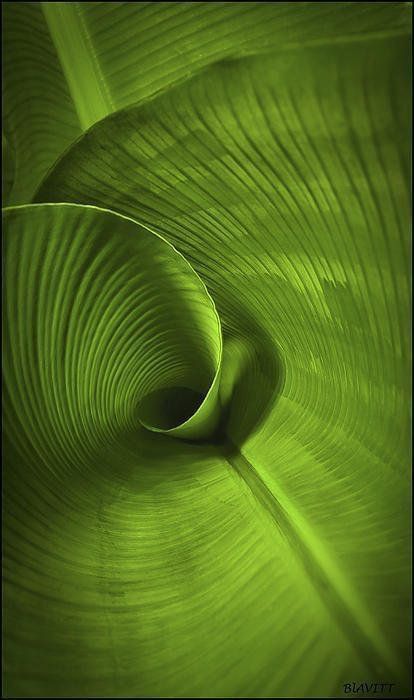
Green is universally associated with growth (think of plants sprouting new leaves), vitality, and renewal. This symbolism elicits feelings of optimism and refreshment.
Studies have demonstrated that viewing green spaces helps individuals recover faster from mental fatigue and stress, likely due to these associations.

Physiological Effects on the Body
- Reduction in Stress Response:
Green environments (natural or artificial) have been found to lower blood pressure and heart rate. This physiological relaxation is a measurable response to the calming influence of green stimuli.
Green light therapy, used in certain medical treatments, can reduce tension headaches and migraines by calming the nervous system. - Attention Restoration Theory (ART):
Proposed by Kaplan and Kaplan, this theory suggests that exposure to nature and green environments helps restore cognitive function. Green fosters a state of “soft fascination,” where attention is engaged without effort, allowing the brain to recover from directed, focused tasks.
Cultural and Symbolic Associations
- Peace and Healing:
In many cultures, green is associated with peace, health, and life. This symbolic connection amplifies its calming psychological effect.
For example, in Islamic culture, green represents paradise and spiritual tranquility, which further ties it to feelings of peace. - Symbolism in Art and Design:
Artists and designers have long used green to convey calmness and serenity. Hospitals often incorporate green tones in their interiors because it helps patients feel more relaxed and secure.
Applications in Therapeutic and Everyday Contexts
- Therapeutic Uses:
Horticultural Therapy: Engaging with plants or spending time in gardens has proven therapeutic effects, including lower anxiety levels and enhanced emotional well-being.
Green Light Therapy: Used in some cases to treat pain and migraines, as green light has minimal stimulation to the brain’s nociceptors (pain sensors). - Urban Planning:
Green spaces in urban environments (parks, green roofs, and street trees) are strategically used to mitigate stress for residents. Studies show that individuals living near greenery report higher life satisfaction and reduced anxiety levels. - Workplace Productivity:
Offices that include green walls, plants, or even green hues in their decor tend to improve employee focus and lower burnout rates. The presence of green creates a biophilic effect, simulating the calming aspects of nature.
Supporting Scientific Studies
- Environmental Psychology:
Research published in journals like Environmental Psychology has shown that viewing green spaces for even a few minutes significantly reduces stress and improves mood.
A notable study by Ulrich (1984) found that patients recovering from surgery had shorter hospital stays and required less pain medication when their rooms overlooked greenery. - Virtual Greenery:
In studies using virtual reality (VR) environments, participants exposed to green landscapes experienced reduced cortisol levels and improved mood, showing that even artificial green can elicit calming effects. - Green and Cognitive Function:
A 2015 study in Frontiers in Psychology demonstrated that participants exposed to green environments performed better on tasks requiring creativity and focus compared to those in red or grey environments.
Conclusion
Green’s calming nature is a perfect interplay of biology, perception, and cultural meaning. Its ease on the eyes, connection to life and growth, and ability to dampen the stress response make it a uniquely soothing colour. Whether in natural settings or incorporated into design, green works as a universal antidote to stress and fatigue.
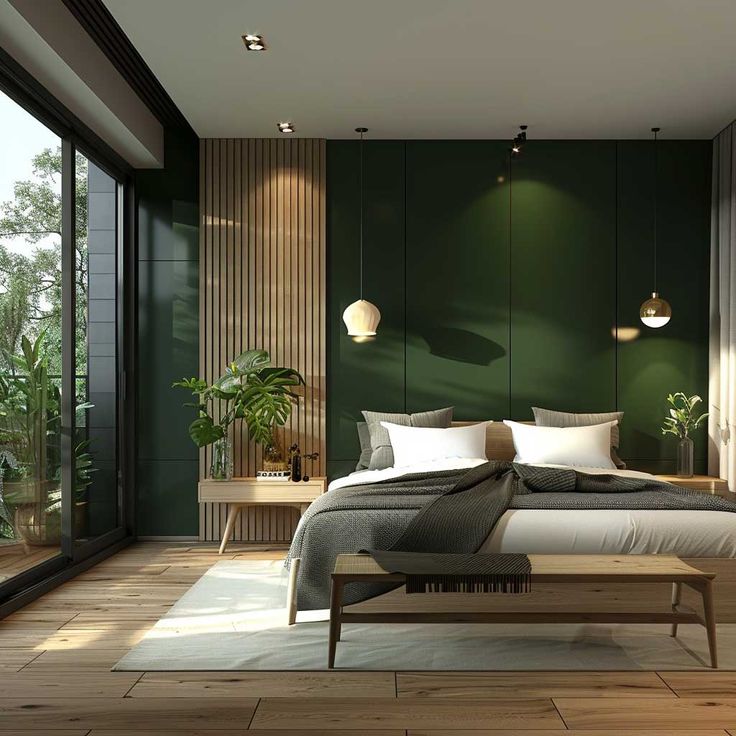
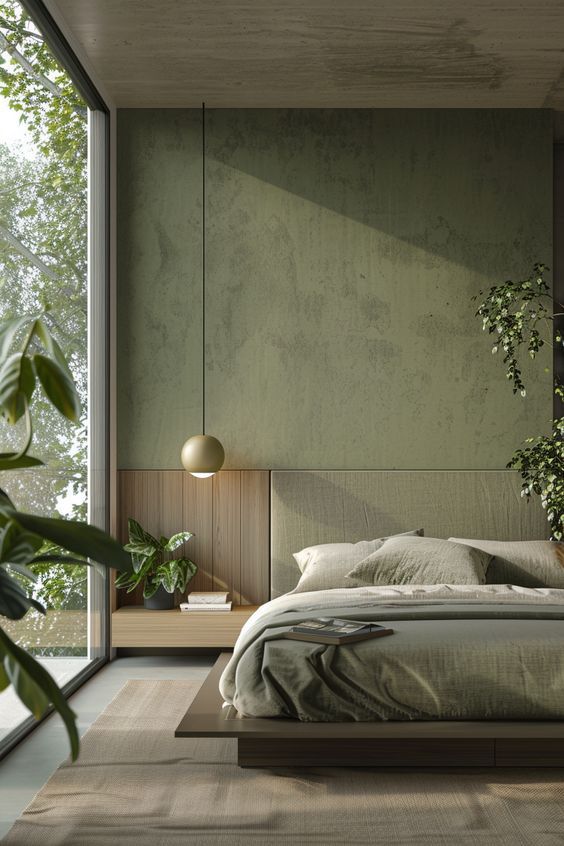
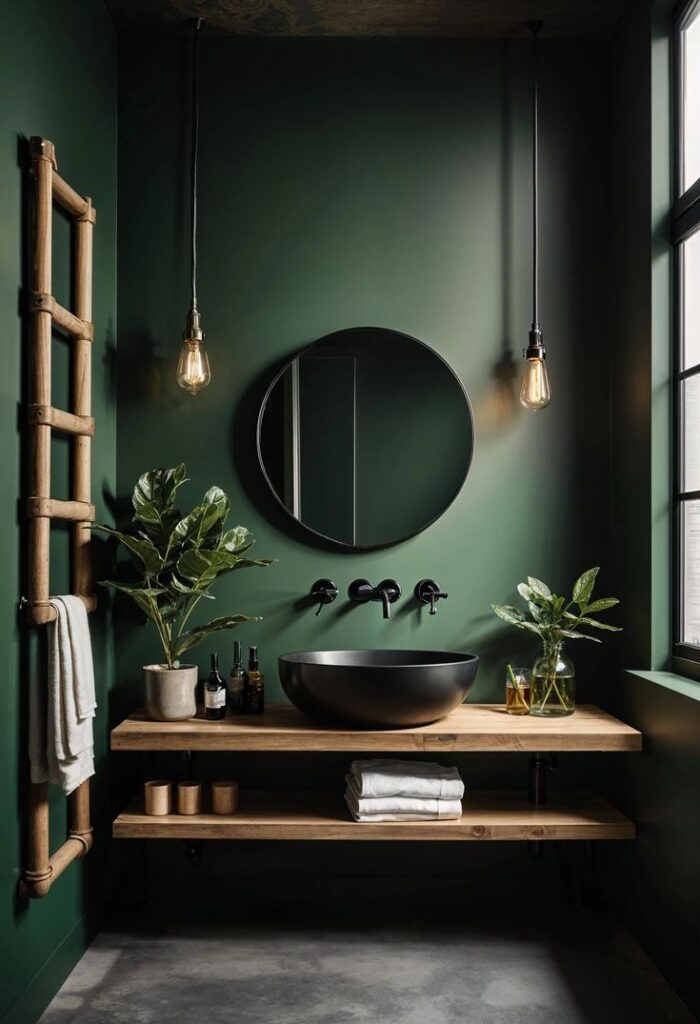
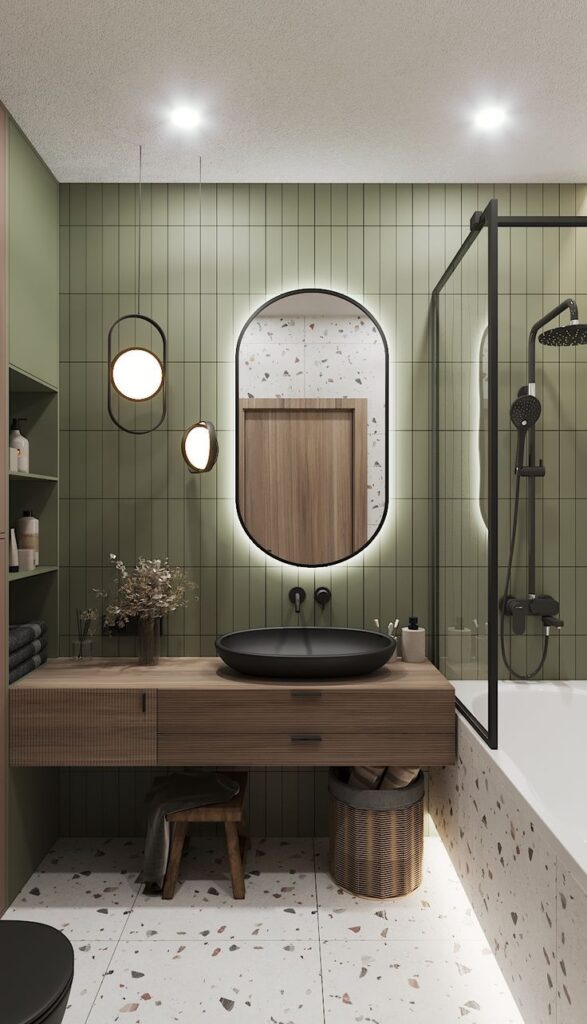
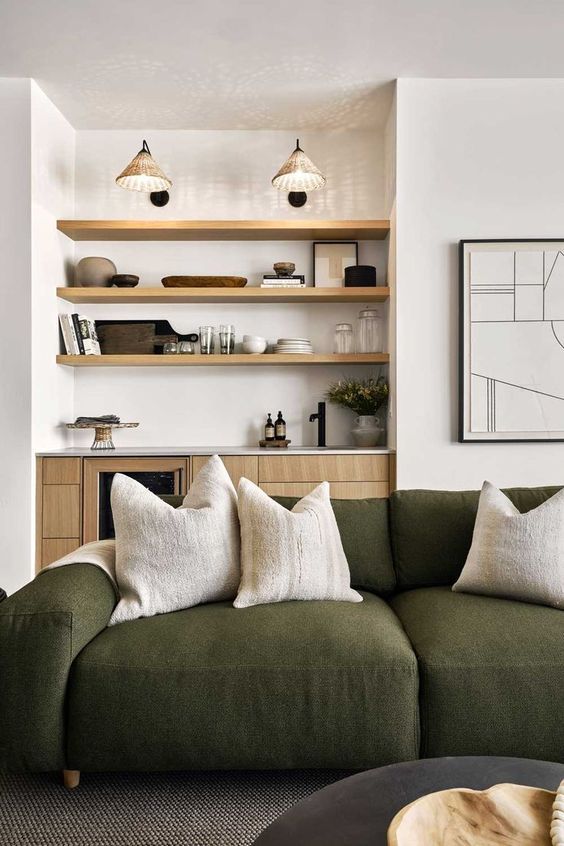
Green is also a really versatile colour for Interior Design, working well with many other colours, and organic materials such as wood & rattan. Combine Green with Chocolate tones for a rich tapestry or Pinks for a more playful vibe. There are so many opportunities to bring Green into your home & enjoy the added benefits a calm environment will have on your physical and mental wellbeing.
As always, feel free to get in touch should you need any advice on how to make your space more Biophilic.
Love Jane xx