
More of us than ever now live in cities and built up areas, in shared dwellings & HMO’s as developers squeeze as much as possible out of housing stock. Often without gardens or adequate green spaces, our disconnect with nature is greater than ever. This, in turn, can have a detrimental affect on our overall mental health and wellbeing.
There is no better time for Biophilic Design to take centre stage within Architectural and Interior Design concepts. Biophilic Design is a building design philosophy that connects people to nature, using natural elements like light, plants, organic materials, water and organic scents that fill each of our senses & help foster a sense of refuge and security.
Bringing Biophilic Design into your home in it’s existing form doesn’t need to be a costly or disruptive exercise. Here are some top tips to help you incorporate biophilic principles into your own interior design:
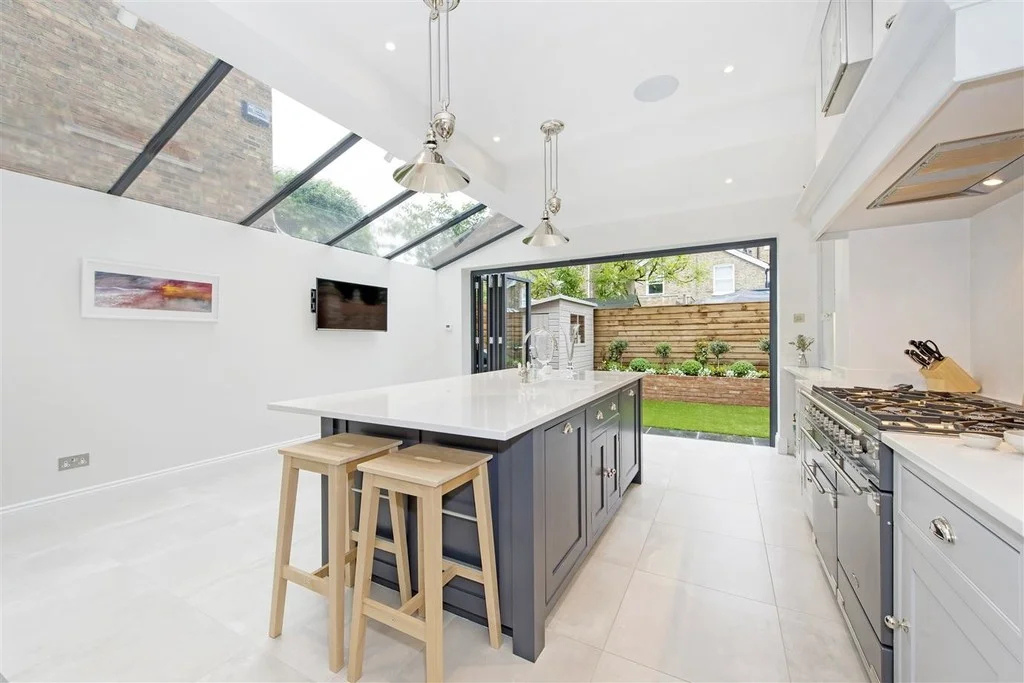
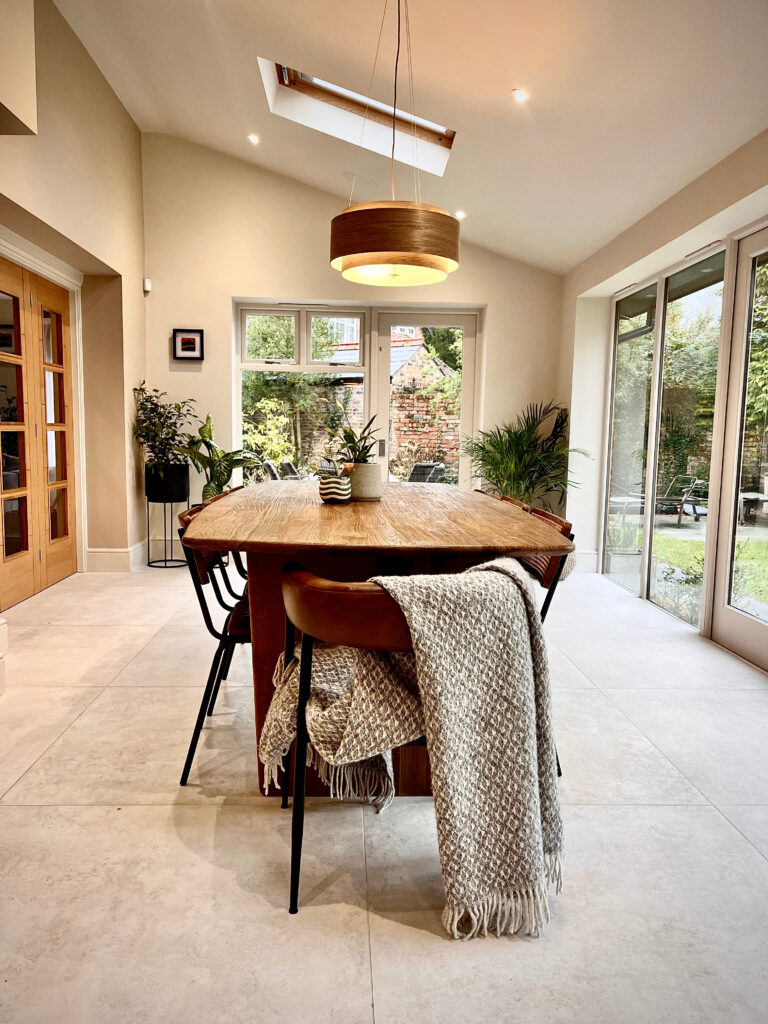
Maximise Natural Light
- Natural light boosts mood and helps regulate circadian rhythms, enhancing health and well-being within your home.
- Tips: Ensure any heavy window dressings are able to be pulled back away from the window to ensure maximum daylight. Position furniture to allow natural light to flow through spaces, moving large, heavy pieces away from windows where possible. If an option, incorporate large windows, skylights, or light wells to increase exposure to sunlight.
Integrate Plants
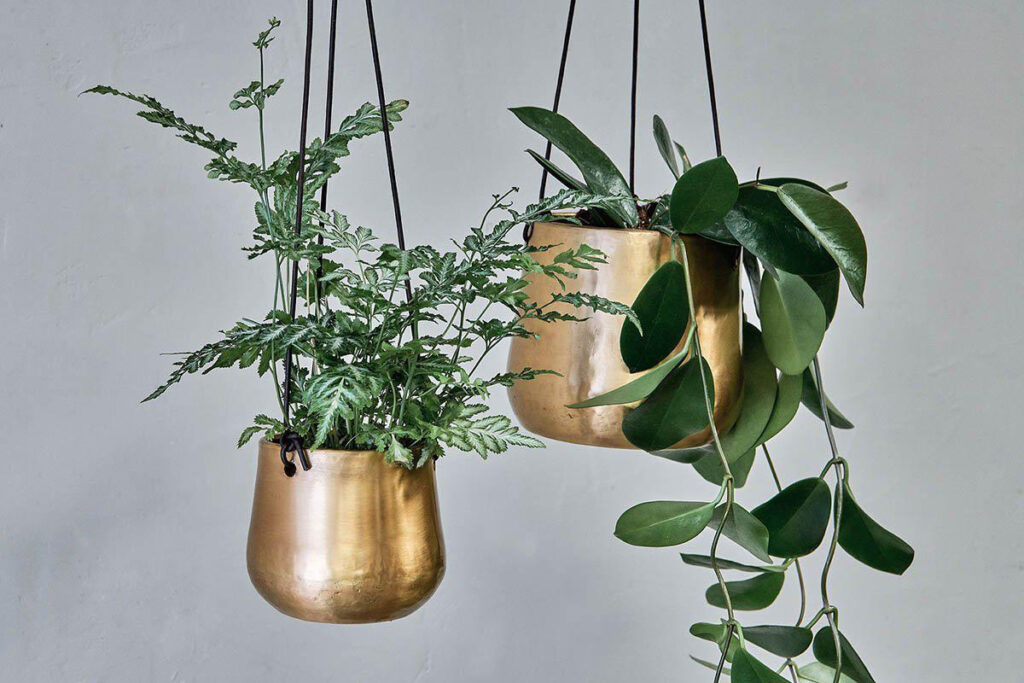
- Plants improve air quality, reduce stress can help induce sleep, whilst creating a calming environment.
- Tip: Use indoor plants like ferns, succulents, and hanging plants to bring nature indoors. Vertical gardens or plant walls are a great way to add greenery without taking up floor space. For further information on which plants to choose for your home, visit my Blog – https://avaroseinteriors.co.uk/plants-friend-or-faux/
Use Natural Materials
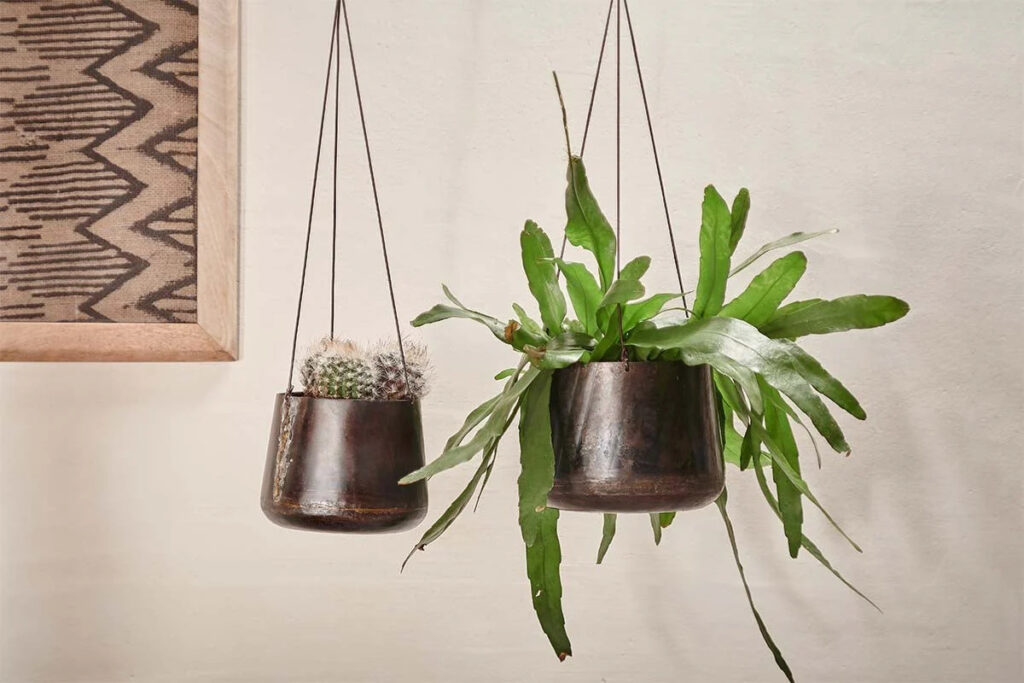
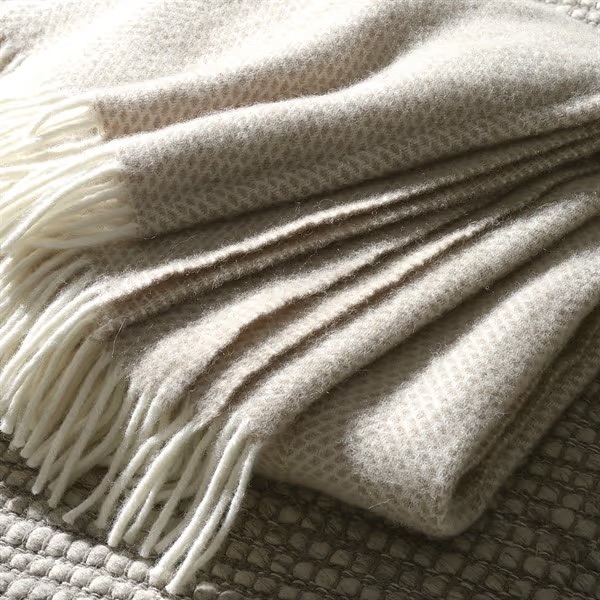
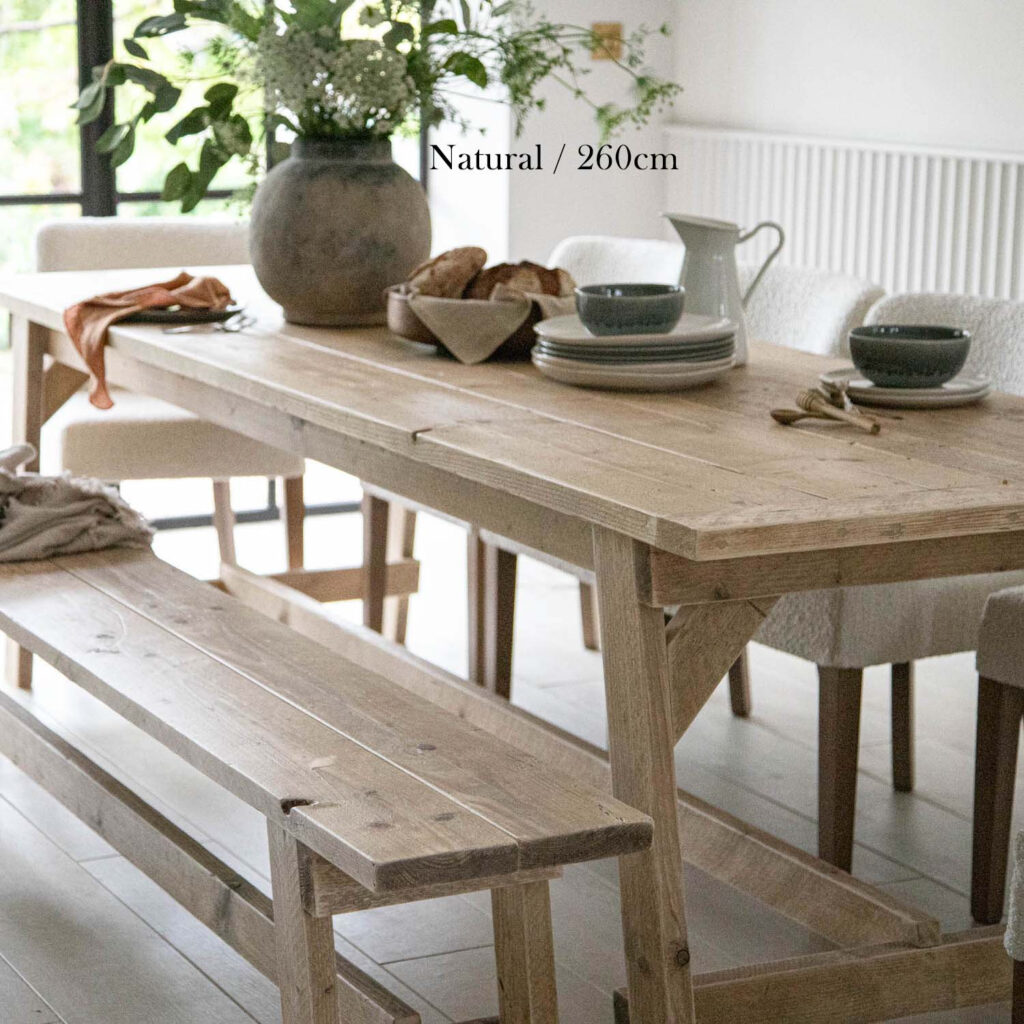
- Natural materials evoke the essence of nature, enhancing tactile and visual comfort. They also tend to be free of any harmful toxins and can help improve indoor air quality. They are often renewable, biodegradable and compostable, reducing your overall environmental impact.
- Tip: Incorporate organic materials such as wood, stone, bamboo, and wool into furniture, flooring, and decor to enable you to feel more connected with the natural world. Consider suppliers such as Nkuku, Burr & Knot & Graham & Green (If unsure, website’s such as Moral Fibres will give insight into what to look for; https://moralfibres.co.uk/ethical-eco-friendly-sustainable-furniture-guide)

Create Visual Connections to Nature
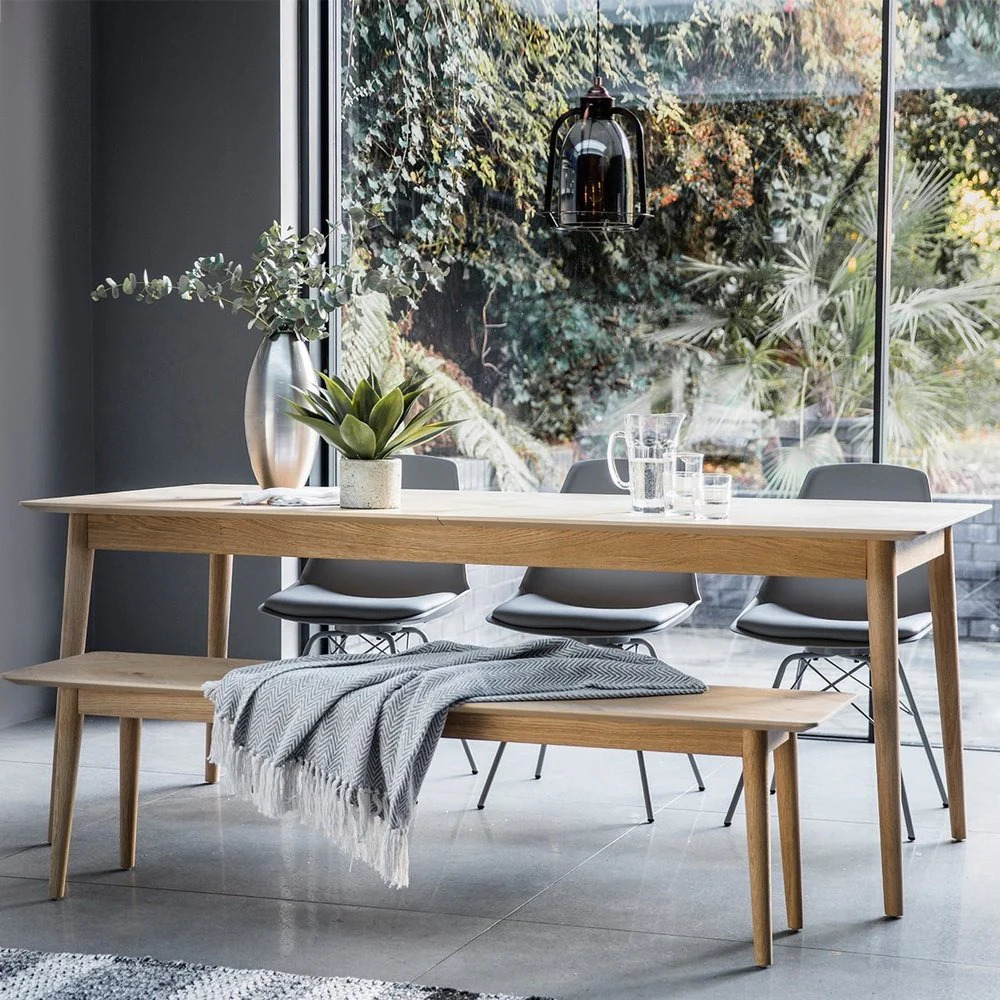
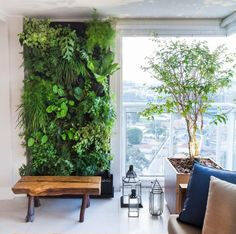
- Views of nature (real or symbolic) stimulate a larger portion of the visual cortex than non nature scenes, triggering the pleasure receptors in our brains, reducing stress and improving focus. Direct views onto gardens or green spaces whilst you’re working or relaxing are ideal. If a garden isn’t an option, growing herbs or wild flowers in window boxes may be a viable alternative. Alternatively, there are other methods that can be built in or simulated if natural isn’t an option, such as living walls, hanging planters & wall terrariums.
- Tip: Position rooms or furniture to have views of natural landscapes, gardens, or water. If that’s not possible, window boxes or a green ‘living’ wall are an affordable way of simulating a visual connection. In addition, large landscape prints or murals of views that are meaningful to you are a great way to evoke those calm feelings.
Natural Colour Palette
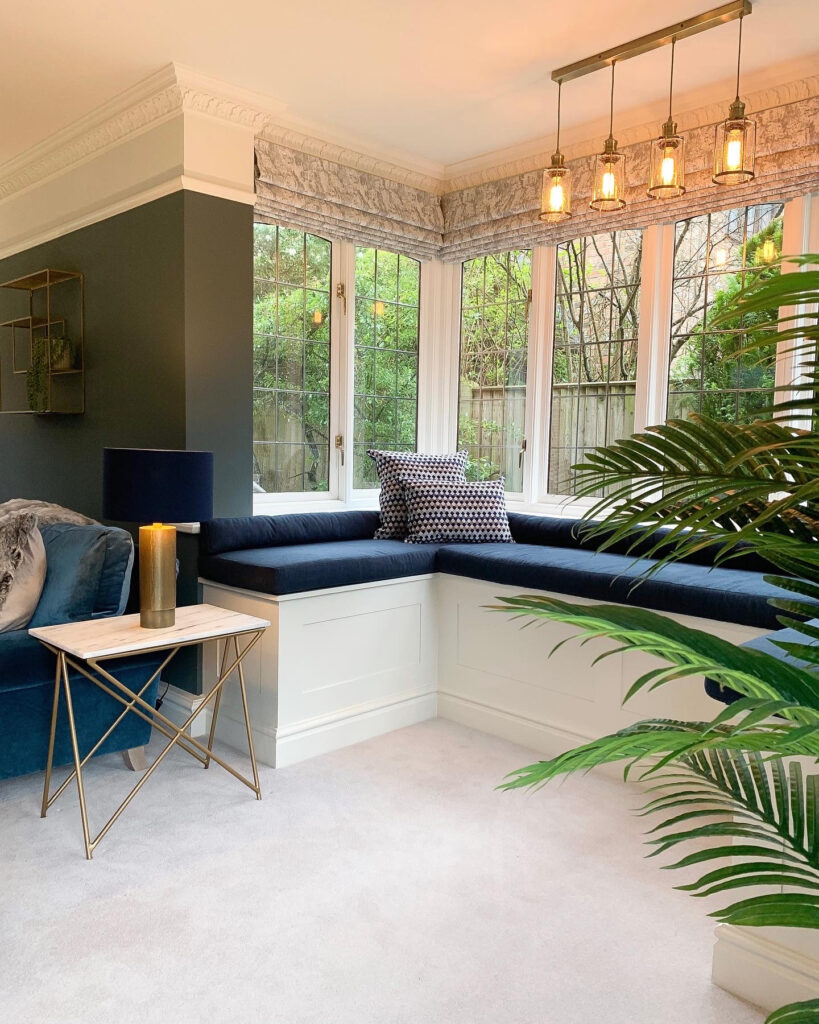
- Nature-inspired colours are soothing and contribute to a sense of balance and serenity. Think earth tones inspired by rocks, sand & moss, the colour of trees or Sky colours & bright yellows. You could also incorporate natural patterns such as florals / botanicals as feature walls, prints or soft furnishings
- Tip: Incorporate colours such as Greens, Blues, Beige & Dark Browns / Blacks into your homes. You can start small, with accent walls & soft furnishings, gradually building up to larger elements like furniture or even flooring.

Textures Inspired by Nature
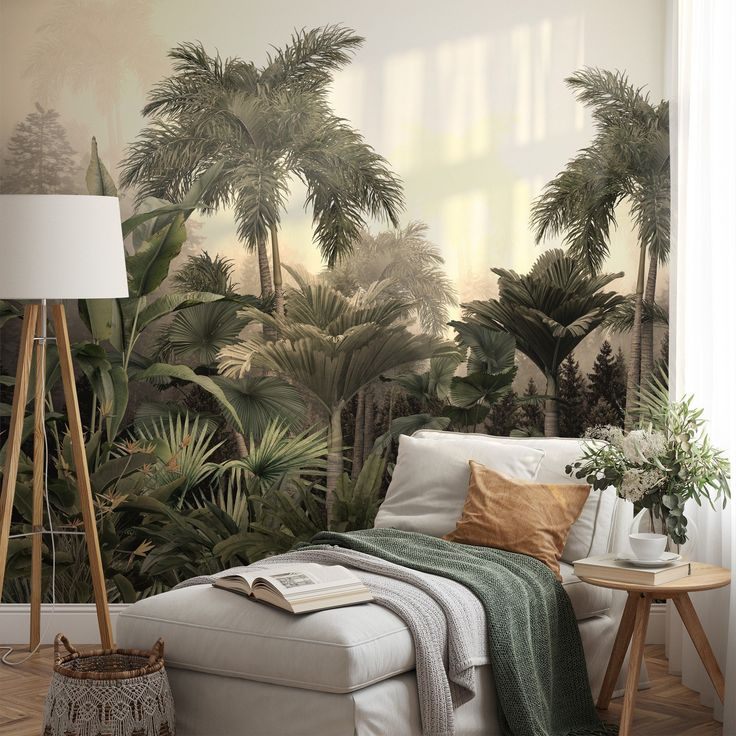
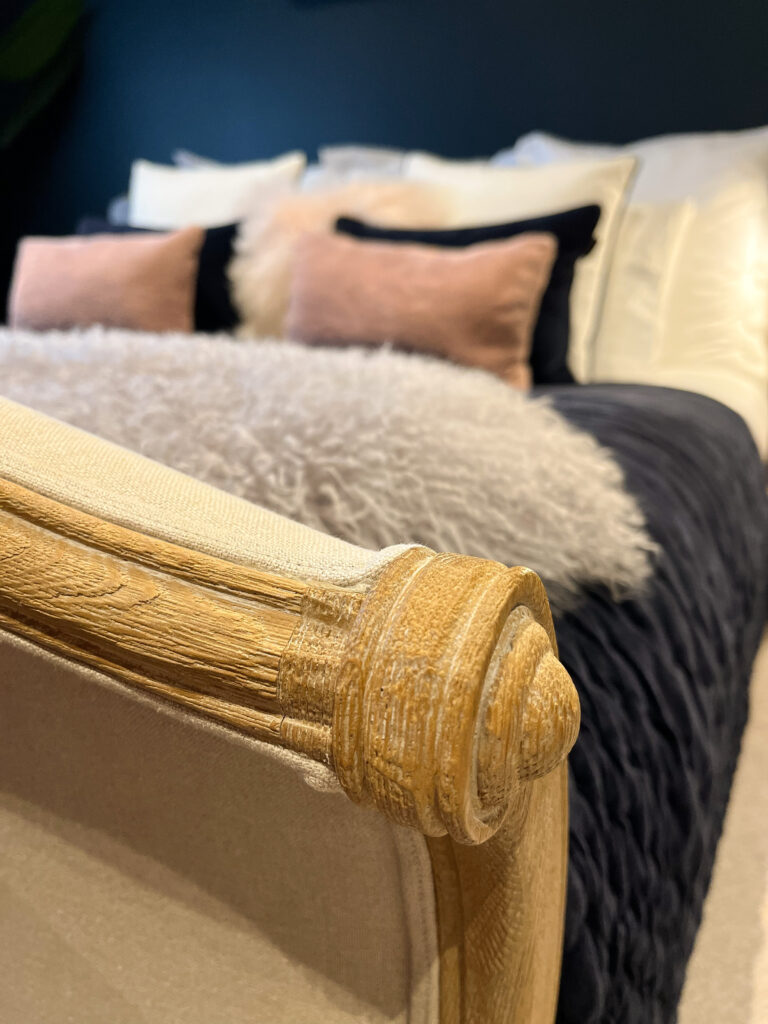
- Textured surfaces add depth and sensory richness, making the space feel more stimulating, recalling the feeling of being outdoors. Natural textures also help to ground a space, restoring our connection with the natural world. Using natural, sustainable woods, cork, bamboo & wool for an example will have a positive effect on wellbeing.
- Tip: Combine a variety of natural textures in your home. like raw stone, natural wood (flooring options), cork & bamboo, woven baskets and soft linens / cottons to mimic natural environments.

Emphasise Organic Shapes and Patterns
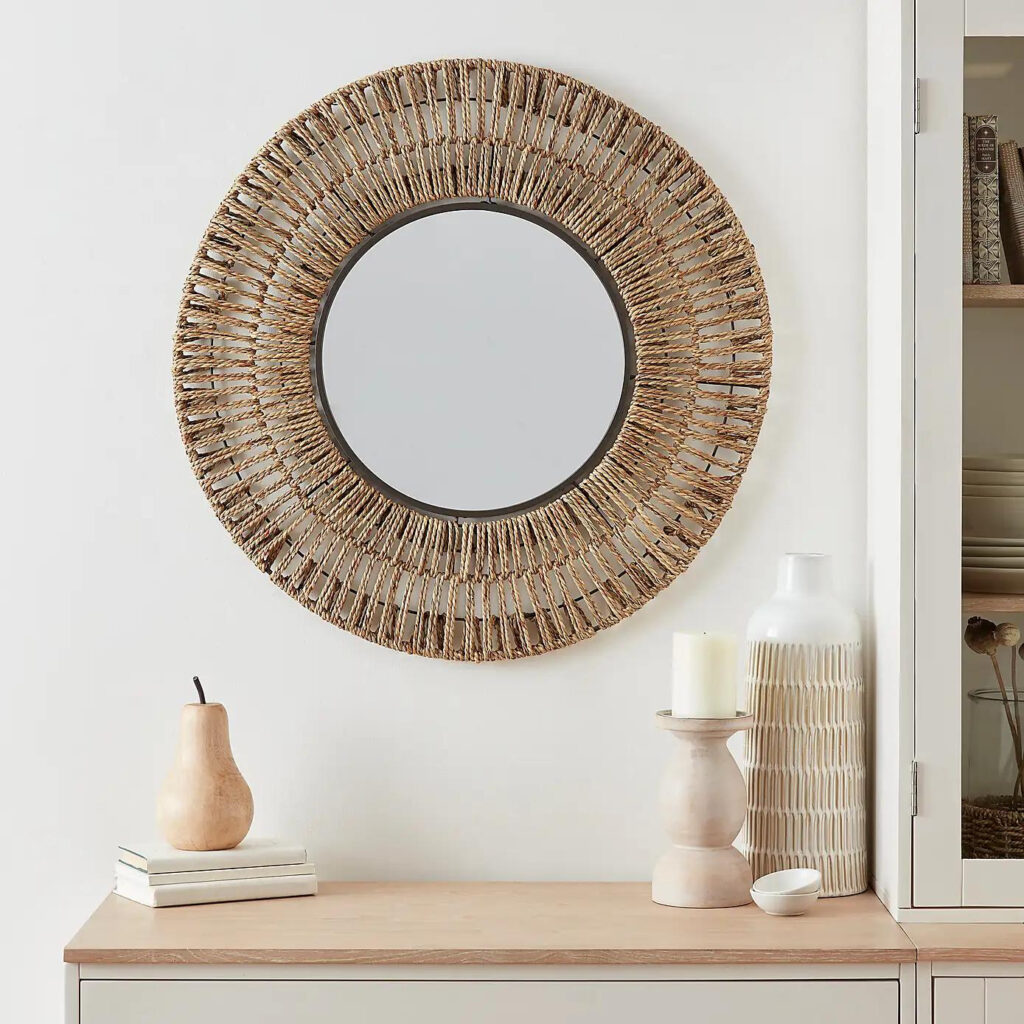
- Organic shapes are a key part of Biophilic Design. Inspired by nature’s natural forms and patterns, such as the curves of tree trunks & leaves and the intricate patterns of flowers. These curved lines and shapes add flow, movement & balance to interiors, making them pleasing to the eye and encourage relaxation and comfort.
- Tip: Use furniture and decor that feature natural forms like curved shapes, soft edges, spirals & patterns found in nature. Consider circular mirrors, wall decor, rugs & organically shaped vases / accessories. Furniture without hard edges (round / oval coffee & side tables, soft sofas and armchairs. Avoid hard angular edges where possible.

Create Multi-sensory Experiences
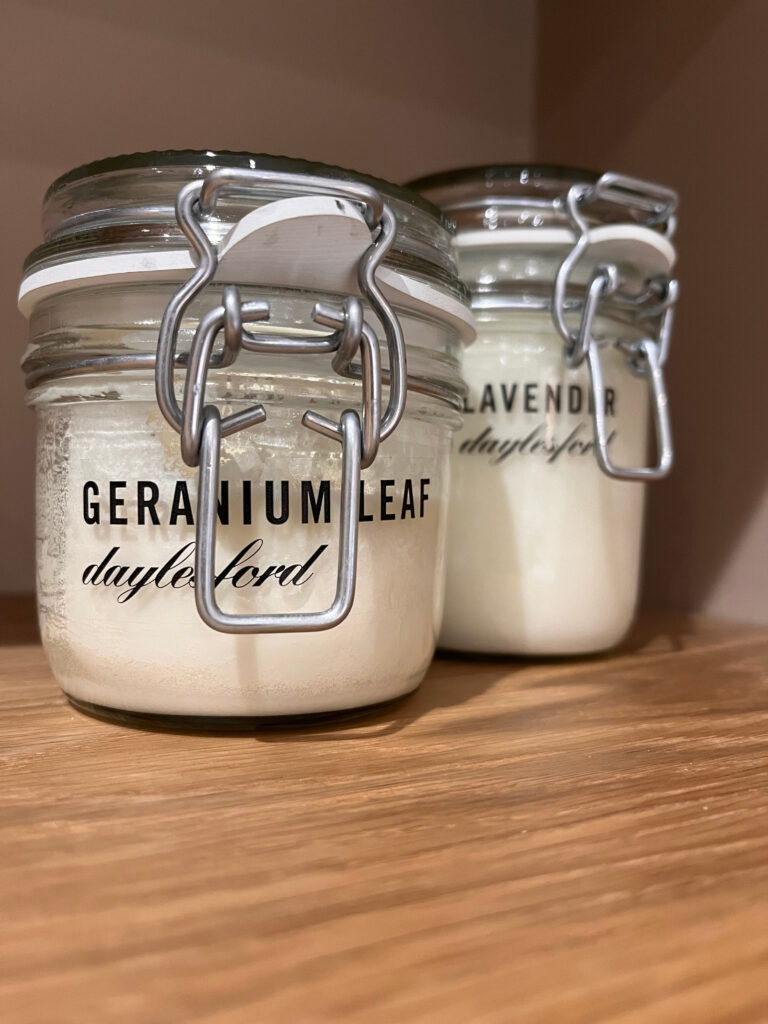
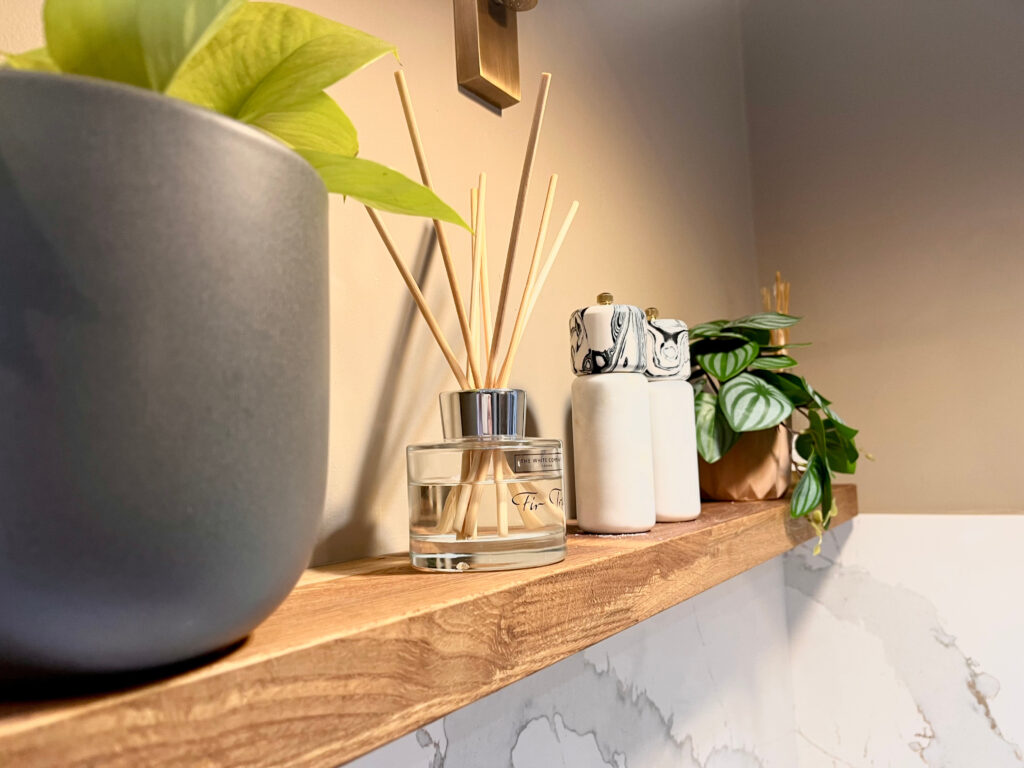
- Biophalic Design isn’t just about how thing look & feel. Engaging multiple senses, including smell and hearing will enhance the connection to nature and promote well-being.
- Tip: Include elements that engage more than just sight, such as the scent of natural oils using candles, diffusers & natural odours from plants, herbs and flowers. Scent can evoke such strong memories so choose odours that appeal to you. Peppermint has a positive effect on focus & lavender can aid relaxation as an example
Green Spaces and Nooks
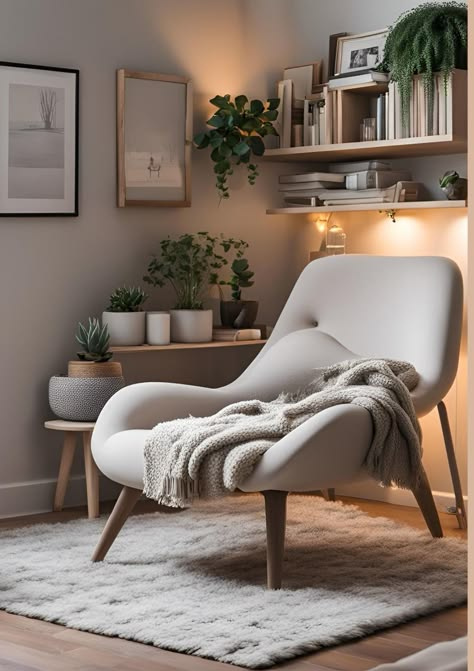
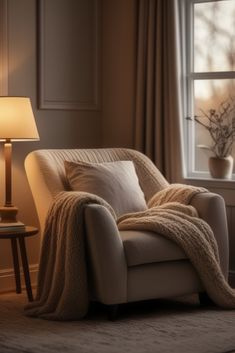
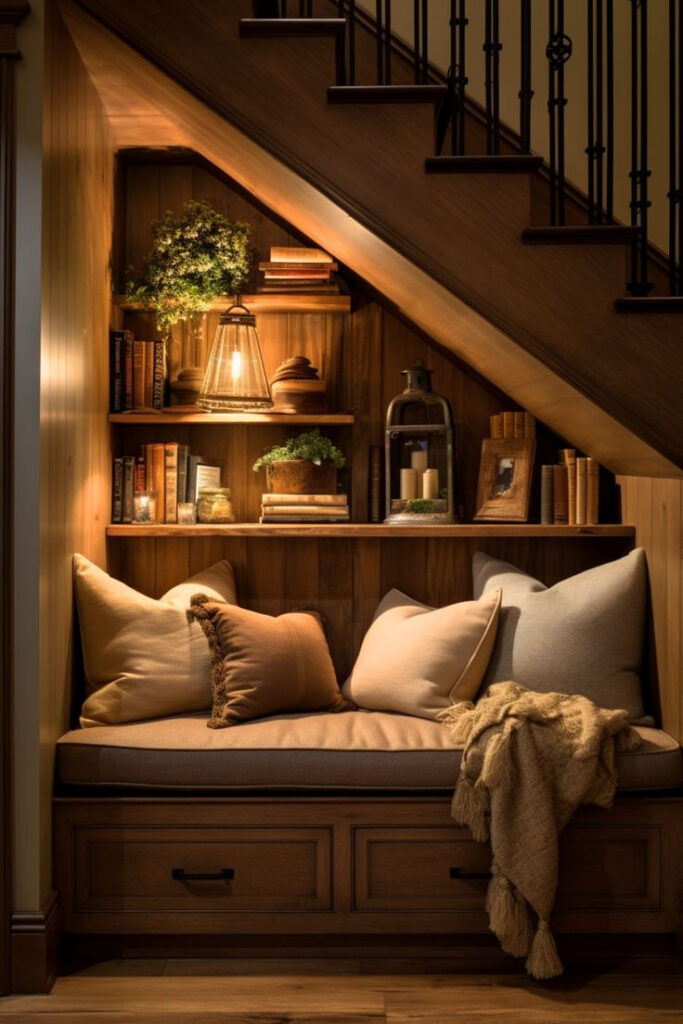
- Personal spaces within the home mimic natural refuges and foster a sense of safety and calm. Having an area within your home that you can retreat to with a good book or just for 30 minutes of quiet is so restorative for the mind
- Tip: Create small, cosy nooks or corners with lush plants and natural materials for relaxing or reading. Whether this is a corner of a room, space under stairs or perhaps a bathroom. Create a space within your home that you can retreat to & feel calm and relaxed.
Sustainability
- Aligning with nature also means caring for the environment, supporting biophilic design’s broader goal of sustainability.
- Tip: Use eco-friendly, sustainable materials and design choices, such as reclaimed wood, recycled materials, and energy-efficient lighting. Buy local and support small sustainable businesses where possible. Clear conscience, Calm Mind, Happy Life xx
By integrating some or all of these elements into the Interior Design of your own home, you will be enhancing comfort, reducing stress and bringing the restorative power of nature indoors. It’s not the answer to everything but having a home that you can truly relax & feel calm in, will have such a positive impact on your overall well being. Start small but if you need any guidance & support with the bigger steps, I’m here to help.
Lots of Love
Jane xxx

