
Redefining what it truly means to live well at home
It’s no longer about statement for the sake of it, or rooms designed purely to impress. Instead, we’re seeing a shift towards homes that feel layered, intentional, and deeply comfortable, spaces that support the way we live, not just how they look.
Biophilic design sits beautifully within this evolution. It invites nature back into our homes in a way that feels effortless, not forced. And when paired with a refined, considered approach to interiors, it creates something quietly powerful, a home that restores you, while still holding that sense of polish and pride.
This is the new definition of luxury. Not either or, but a thoughtful intersection of both.
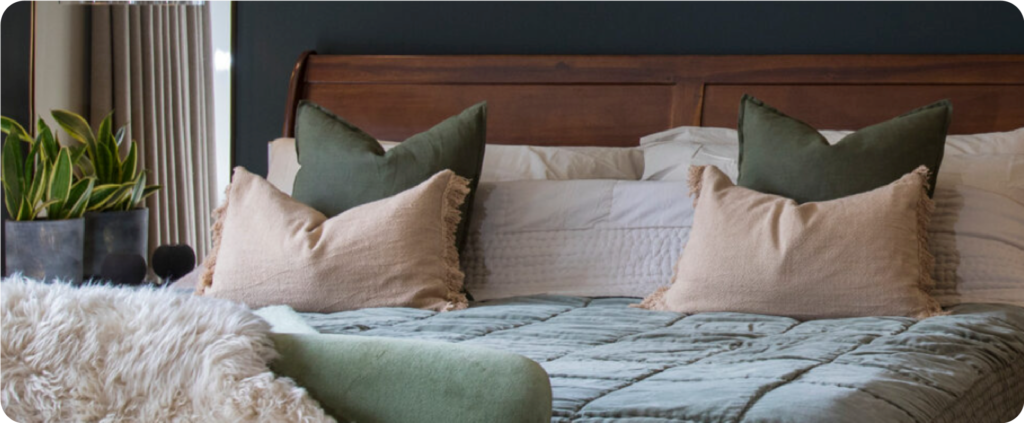
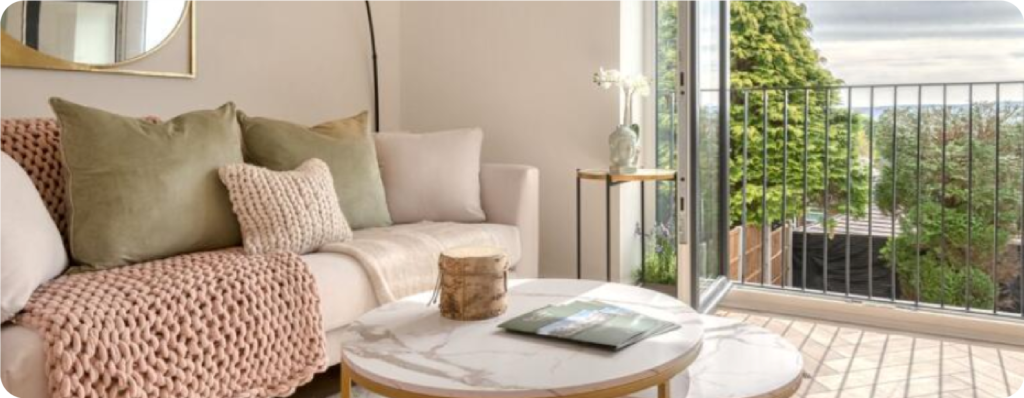
Understanding Biophilic Design in a Luxury Context
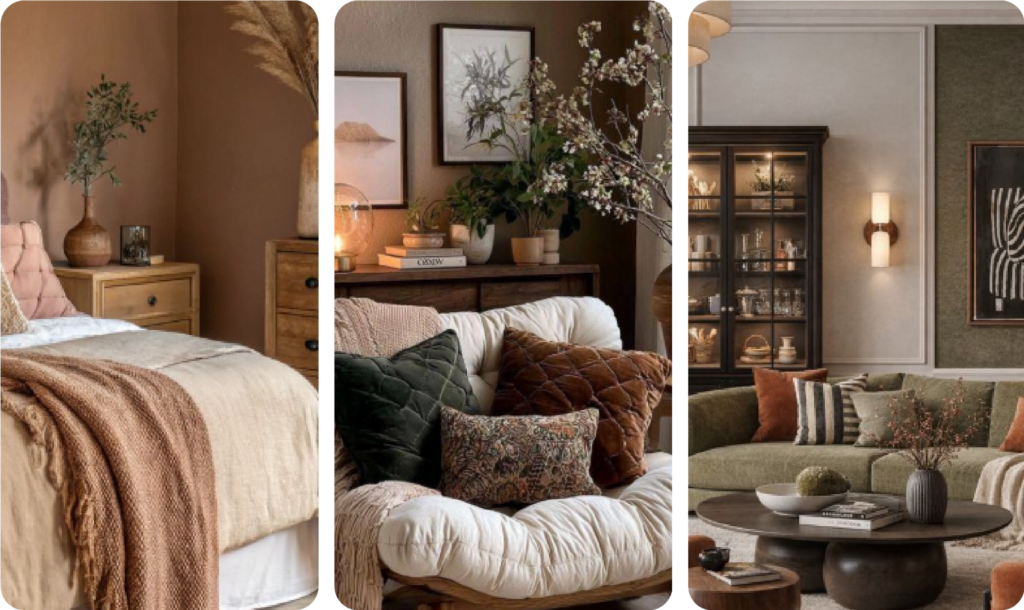
Biophilic design is often misunderstood as a purely aesthetic layer, greenery styled into a space. In reality, it’s a much more holistic way of designing, one that considers how a home feels, functions, and flows.
In a luxury context, this becomes about depth over decoration.
It starts with materiality. Natural materials behave differently to manmade alternatives, they hold warmth, texture, variation. A slab of marble carries its own unique veining, timber softens and deepens with age, linen creases and relaxes in a way that feels human. These are not imperfections, they are what give a space soul.
Then comes light. Not just maximising it, but understanding it. Where does the morning light fall? Which rooms benefit from softer, diffused tones in the evening? Layered lighting schemes that mimic natural rhythms, warm, dimmable, indirect, create a far more luxurious experience than a single overhead fitting ever could.
And finally, spatial awareness. Biophilic homes feel intuitive. There is a natural flow between rooms, clear sightlines, moments of pause. Nothing feels forced or overworked.
When all of these elements are considered together, the result is a home that feels calm, grounded, and quietly elevated.
The Shift from “More” to “Meaningful”
There is a growing confidence in restraint.
Where once luxury interiors leaned into layering, pattern, and abundance, today’s most elegant homes are defined by what has been left out as much as what remains.
Biophilic design naturally supports this mindset because nature itself is balanced, never excessive. This is where we begin to design with intention, selecting fewer, better pieces, furniture that has weight, craftsmanship, and longevity.
Allowing negative space, giving the eye somewhere to rest, which in turn creates a sense of calm. Choosing palettes drawn from nature, warm taupes, soft greens, chalky neutrals, rather than anything overly synthetic or harsh. Introducing texture instead of pattern overload, layering woods, linens, stone, and woven finishes for depth without noise.
The outcome is a home that feels refined without feeling rigid. There is an ease to it, an effortlessness that is often the hardest thing to achieve. It doesn’t shout for attention, but it holds it.

Designing for Wellbeing, the Ultimate Luxury

Perhaps the most significant shift in luxury living is the focus on how a space supports wellbeing. We are spending more time at home, and with that comes a greater awareness of how our environment impacts our mood, energy, and overall sense of balance.
Biophilic design works on both at a conscious and subconscious level:
- Visual calm through natural tones and organic forms helps reduce overstimulation
- Tactile comfort through materials like wool, timber, and linen grounds us physically
- Connection to nature, even in subtle ways, planting, views, natural light, helps regulate stress levels
In practical terms, this might look like:
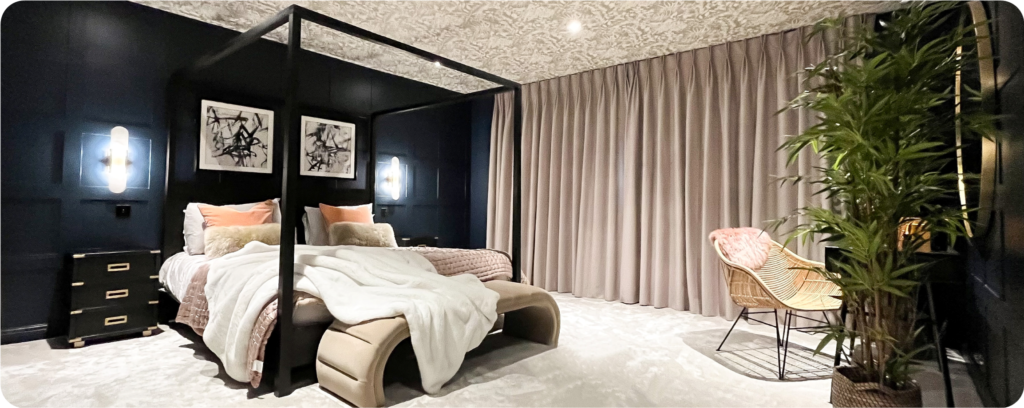
- A bedroom designed with low, ambient lighting, soft textiles, and minimal visual clutter to support better sleep
- A bathroom that feels more like a private spa retreat, with stone surfaces, warm lighting, and considered storage
- A home office positioned to maximise natural light and greenery, improving focus and productivity
This is where luxury becomes deeply personal. It is no longer about impressing others, but about creating a home that genuinely supports how you want to feel every day.
Craftsmanship, Longevity and the New Status Symbol
There is a quiet confidence in choosing quality.
In a world of fast interiors and quick turnarounds, investing in craftsmanship has become a statement in itself, one that speaks to longevity, care, and a more sustainable way of living.
Biophilic design aligns naturally with this approach. It favours materials and processes that respect their origins.
- Bespoke joinery allows spaces to be tailored precisely to how you live, rather than forcing your lifestyle to fit standard dimensions
- Natural stone and timber require skilled handling, from sourcing to installation, ensuring they are celebrated rather than overworked
- Hand-finished details, whether in upholstery, cabinetry, or decorative elements, bring a level of refinement that cannot be replicated at scale
These choices are not always the quickest or the most cost-effective in the short term. But they are the ones that last. Over time, they create homes that feel established, considered, and quietly luxurious, spaces that don’t need constant updating because they were designed properly from the outset.

Blurring the Line Between Indoors and Out
One of the most transformative elements of biophilic luxury design is the connection between interior and exterior. When this is done well, it changes how a home is experienced entirely.
It’s not just about large doors or glazing, though these help. It’s about continuity. Using similar or complementary materials inside and out, stone flooring that flows to a terrace, timber tones echoed in outdoor furniture
Framing intentional views, rather than leaving windows as blank openings, thinking about what you see and how it evolves through the seasons. Designing outdoor spaces with the same level of thought as interiors, considering layout, lighting, and comfort Even in more urban homes, this connection can be created through smaller interventions:
- A planted courtyard visible from key living spaces
- Layered balcony planting that softens hard architectural lines
- Strategic use of mirrors or glazing to amplify light and greenery
The result is a home that feels more expansive, more open, and far more connected to the natural world beyond its walls.
A Home That Reflects You!
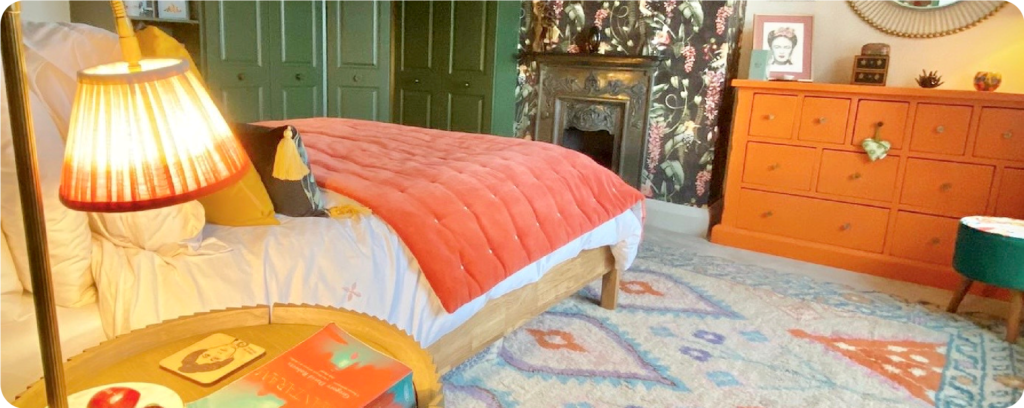
At the heart of both biophilic design and true luxury is individuality.
There is no single aesthetic that defines this approach. Instead, it is about creating a framework that allows your home to reflect your lifestyle, your values, and your version of comfort.
This might mean:
- Prioritising entertaining spaces that feel warm and inviting, rather than formal
- Creating quiet retreats within the home, reading corners, window seats, or tucked-away rooms
- Incorporating art, objects, and materials that hold meaning, rather than simply filling space
Biophilic design enhances this by grounding everything in a sense of nature and balance.
Luxury ensures it is executed beautifully, with care, detail, and refinement.
Bringing It All Together
A truly well-designed home today is not about choosing between beauty and comfort, statement and subtlety, luxury and wellbeing.
It is about balance, and more importantly, intention.
A home that feels calm, yet elevated.
Refined, yet relaxed.
Considered, yet effortless.
When biophilic design and luxury living are brought together in this way, the result is something far more powerful than either on their own.
A home that not only looks beautiful, but feels right, every single day.
Hope you enjoyed the read. Do get in touch if you’d like to add luxurious biophilia to your home.
Jane xx

